Blue Zones · 05 · Wine at Five
Wine at Five Was Never About the Wine
The longest-lived people on earth aren't drinking more. They're stopping more.
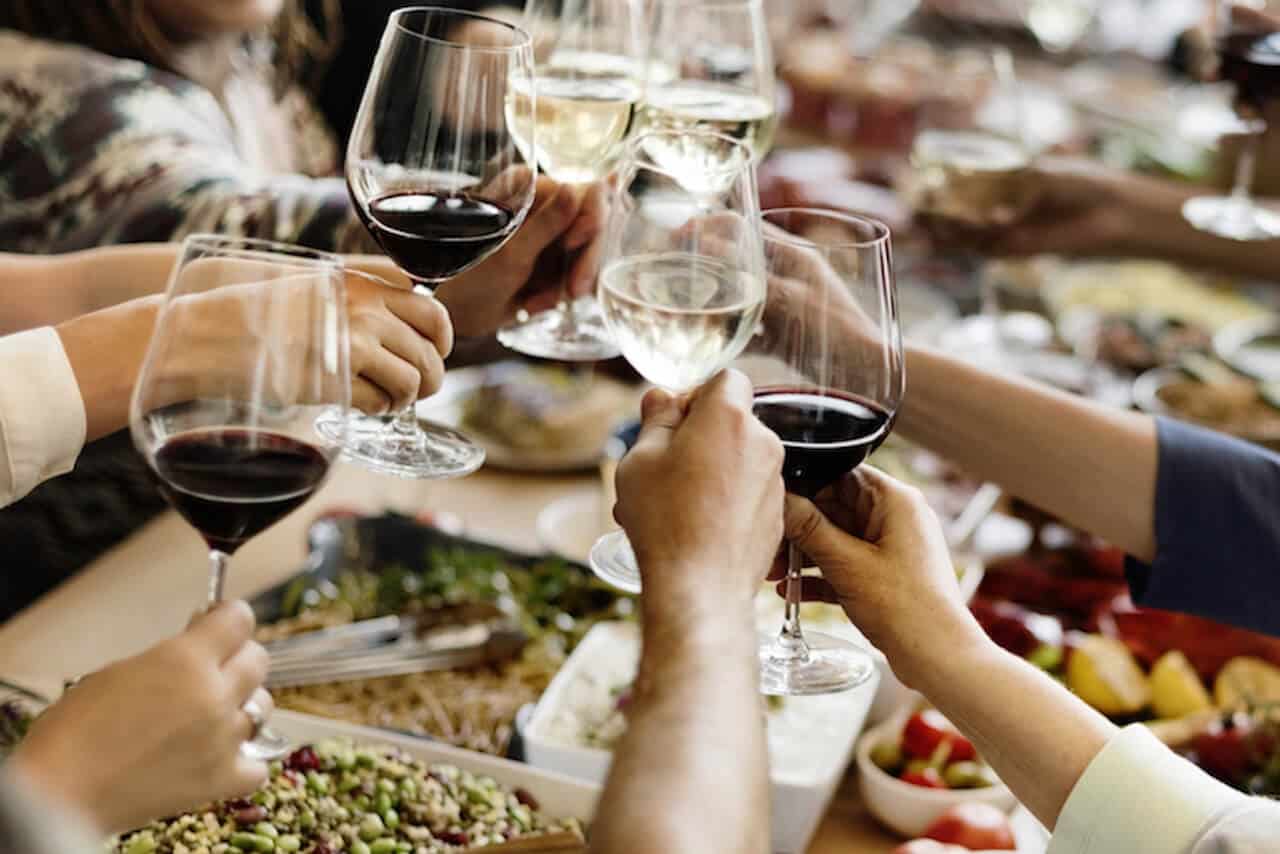
Wine at Five is the most misunderstood Blue Zones principle. The headlines turned it into "drink red wine, live longer." The actual research is messier — most of the cardiovascular benefit attributed to wine evaporates when you control for community, movement, and income. The wine wasn't doing the work. The hour around it was.
In Sardinia, neighbors gather on stoops at five with small glasses of Cannonau. In Ikaria, it's wine and olives on a terrace. In Okinawa, it's green tea by the seawall. Different drinks, same ritual: a daily pause with people you love, at a time you don't move, in a place that doesn't ask anything of you. That's the intervention. The drink is just the excuse to sit down.
Modern drinking has none of that architecture. It's solo. It's late. It's mid-scroll. It's the second one you didn't plan on. It's what you reach for to manage a feeling, not to mark an hour. The same molecule does very different things depending on the room it's in. Wine at five with a friend is one thing. Wine at eleven with your laptop is another. The body knows the difference, even when the marketing doesn't.
Here's the uncomfortable part. The longest-lived people on earth aren't drinking more than you. They're stopping more. They have an off-ramp built into the day that has nothing to do with willpower. Five o'clock is the off-ramp. After that, the meal is small, the conversation is long, the bedroom is dark. The drink isn't fueling the night — it's bookending the day.
If alcohol complicates your life, the ritual survives without it. A nonalcoholic aperitif. A sparkling water with bitters. A cup of tea. A glass of colostrum if that's your thing. The chemistry isn't the point — the choreography is. A small pour. A real glass. A seat that isn't your desk. A person across from you. That's the package. Swap the contents freely.
Try it for a week. Pick a time. Put it on the calendar like a meeting you wouldn't move. Set the table with one small plate and one small glass. Invite one person, even by phone. Put the screens in another room. The first night will feel awkward because you've forgotten how to do this. By the third night, your shoulders will drop before you sit down. That's your nervous system remembering an old language.
What you're really practicing is the act of stopping. Most modern days never stop — they just gradually lose energy until you collapse. A five o'clock pause teaches the body that the day has an ending, which means the night doesn't have to do all the recovery alone. Cortisol drops on schedule. Sleep arrives on time. Mornings stop hurting. You didn't optimize anything. You just inserted a comma in a run-on sentence.
Here's the simple rule: if your drink doesn't have a chair, a person, and an hour around it, it isn't doing you any favors. The ritual is the medicine. The contents of the glass are choreography. Honor the choreography even when the drink changes. Especially when the drink changes.
So forget what you read about polyphenols. Pick five o'clock. Pour something you actually like into a glass that makes you sit up straight. Invite someone, even if it's the same someone every day. Talk for an hour about nothing in particular. Then close the day on purpose. That's it. That's Wine at Five. The longest-lived people on earth weren't drinking smarter. They were stopping better.
The Wine at Five Stack · From the Marketplace