Blue Zones · 04 · Purpose
Ikigai: You Don't Need More Motivation, You Need a Reason
Most people don't have a goal problem. They have a why problem.
Wellness culture loves a goal. Lose the weight. Hit the streak. Optimize the mitochondria. But goals without a reason behind them are just chores you've dressed up. They burn out the moment life gets hard, which it always does. The question isn't "what's your goal?" The question is "what would you be doing tomorrow even if no one was watching?"
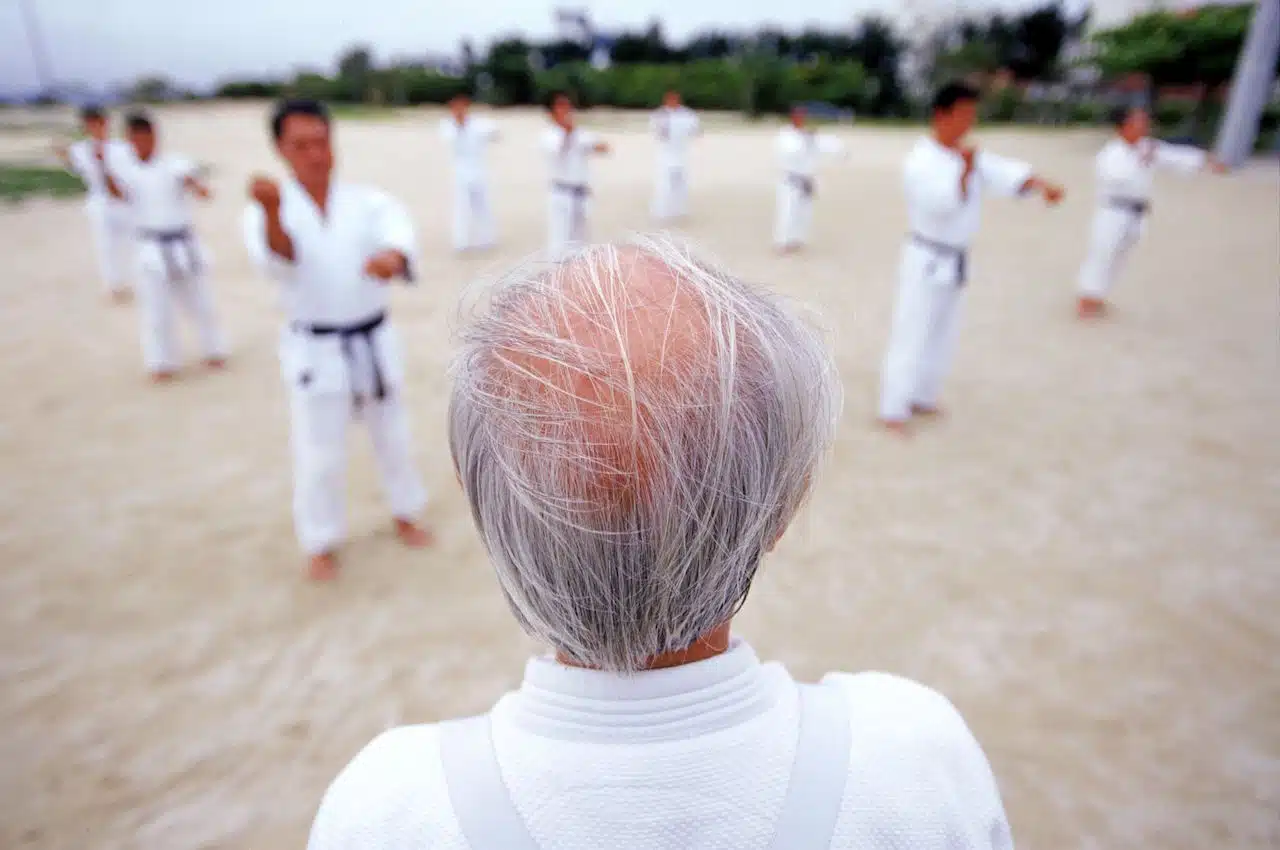
Ikigai is the Japanese word for reason for being. It's the answer to "why did you get up today?" In Okinawa, it isn't a TED talk or a five-year plan. It's smaller and stickier than that. A garden someone is waiting to see. A grandchild walking to school. A craft that needs your hands. A neighbor who'd notice if you didn't show up. That's the bar. Not legacy. Just usefulness, daily.
Here's why it matters biologically. Studies on people with a strong sense of purpose show lower resting cortisol, higher heart rate variability, better sleep, lower all-cause mortality. Same workouts. Same diets. Different reason for being there. The reason is the variable. Without it, your habits become negotiations. With it, they become defaults.
Modern life is engineered to obscure your why. Notifications hand you someone else's priorities before breakfast. Algorithms decide what you should care about today. The phone is a purpose-replacement device — and it's losing the war for your attention because the war is already over. You're not distracted. You're being narrated by something that doesn't know you.
So where do you start? Not with a vision board. Start with a sentence. One line, written down somewhere you'll see it tomorrow morning before you see your phone. Not "be the best version of myself." Something specific enough to do today. Walk the dog before sunrise. Call my dad. Finish the chapter. Teach my kid to throw a ball. Small. Concrete. Repeatable. That's the seed.
Then protect it. Purpose dies of a thousand small interruptions, not one big tragedy. Don't open email before you do the thing that matters. Don't let the loudest voice in the room set your morning. Build a perimeter — a quiet first hour, a notebook on the table, a phone that lives somewhere else until the work is done. Your nervous system needs evidence that the most important thing today is the thing you said it was.
And anchor it to people. Purpose held alone is fragile. Purpose held in front of people who expect you is durable. The Okinawan version is the moai — a small circle of friends who've been showing up for each other for decades. Yours might be a co-author, a training partner, a kid, a team. The mechanism is the same: you stop having to motivate yourself when someone else is counting on you.
Tools can help, but only after the why is clear. A focus timer is useless without something worth focusing on. A wearable that reminds you to stand is just a beep without a reason to keep moving. Use the tools to amplify the answer — not to manufacture it. The order matters. Reason first. Ritual second. Tech a distant third.
Here's the close. You don't need more motivation. You need fewer reasons to fake it. Pick one thing that would make tomorrow worth the trip out of bed, and do it before anything else asks for your attention. Then do it again the day after. Purpose isn't an epiphany. It's a knot you tie every morning to keep the boat where you can find it. Tie it. Show up. Let the years take care of themselves.
The Purpose Stack · From the Marketplace