Blue Zones · 07 · Right Tribe
Right Tribe: You Are the Five People You Sit With
You don't have a discipline problem. You have a proximity problem.
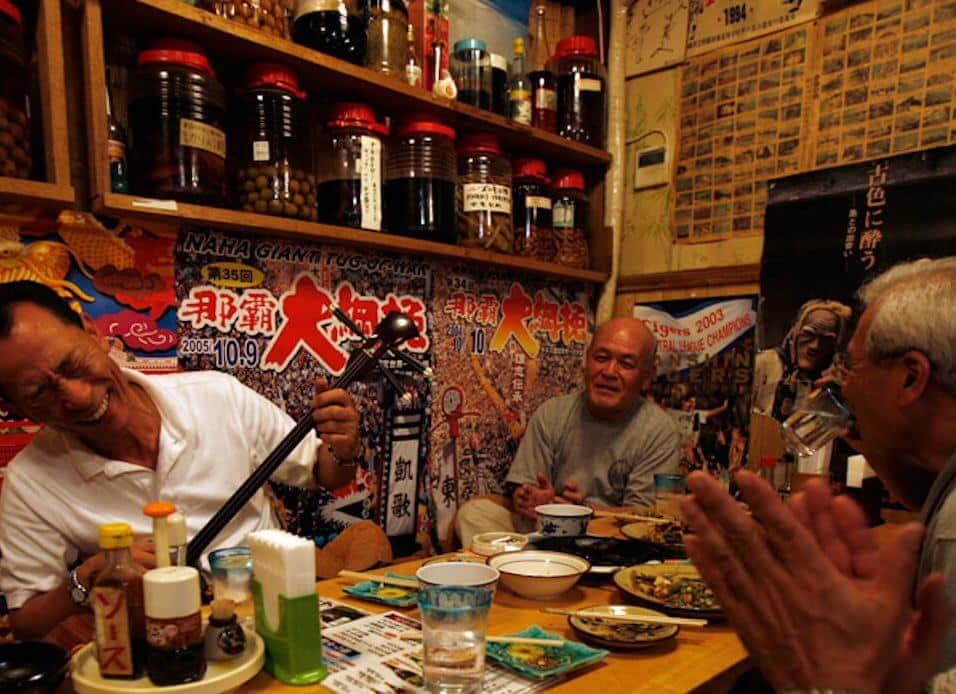
In Okinawa, a moai is a small circle of five friends who commit to each other for life. Not a book club. Not a group chat. A standing pact — financial, emotional, logistical — to show up. They eat together weekly. They pool money for emergencies. They walk each other through grief, sickness, and old age. The science calls it social support. The grandmothers call it Tuesday.
Loneliness is now a documented mortality risk on par with smoking. That stat usually gets quoted as a scare. It should be read as a clue. If isolation is killing us, then connection isn't a soft skill — it's a longevity intervention. The catch: it doesn't scale. You can't add five hundred Instagram followers and feel less alone. You need five people who will notice if you don't show up.
Here's the uncomfortable part. You don't have a discipline problem. You have a proximity problem. You eat what's around you. You move how the people around you move. You go to bed when the people around you go to bed. Behavior change without environment change is just willpower with a shorter expiration date. The shortcut isn't a habit tracker. It's the room.
Modern life unbundled the tribe. We moved away from family. Replaced neighbors with notifications. Traded standing dinners for DoorDash. Then we got lonely, and we tried to fix the loneliness with content. It didn't work, because content can't expect anything from you. A moai expects you. That expectation is what does the work.
The biggest saboteur of the modern tribe isn't distance. It's the phone in your pocket. It promises connection and delivers fragmentation. It steals the pause where conversations deepen. It eats the eye contact that makes someone feel seen. You can be in the same room as five friends and not actually be with them, because the device is louder than the room. The fix isn't more discipline. It's a basket by the door.
So build a small one. Pick four people you already rely on. Set a standing dinner — same night, rotating kitchens. Make it boring enough that no one feels pressure to perform. Decide that absence requires a reason, not an excuse. Put a basket by the door for phones. The first few will feel awkward. By the third, you'll feel something your nervous system has been missing for years.
Build movement into it sideways. Cook together. Walk after dinner. Help someone move. Watch each other's kids. The Blue Zones don't separate "social time" from "exercise time" from "downshift time" — they bundle them. One evening covers four longevity practices at once because that's how humans actually lived for most of history. The optimization stack is just life with people in it.
Tools that help: a lockbox for phones with a timer. A simple group thread that does one thing well. A dumb phone for evenings if you can't trust yourself with the smart one. The operators we trust build restraint into design. The point isn't austerity — it's protecting an hour from being colonized by everything that wants your attention.
Here's the simple rule: if your longevity strategy is a solo project, it isn't longevity. It's just optimization with extra steps. Pick four people. Set a date before you set a menu. Show up. Put the phone away. Do it again next week. Then again the month after. Stop trying to self-improve in private. Make health a group project and watch it stop feeling like a project at all.
The Right Tribe Stack · From the Marketplace