Blue Zones · 02 · Plant Slant
Plant Slant: You Don't Eat Food, You Eat Identity
Carnivore. Vegan. Keto. Paleo. These aren't eating patterns — they're tribes. The longest-lived people on earth never picked one.
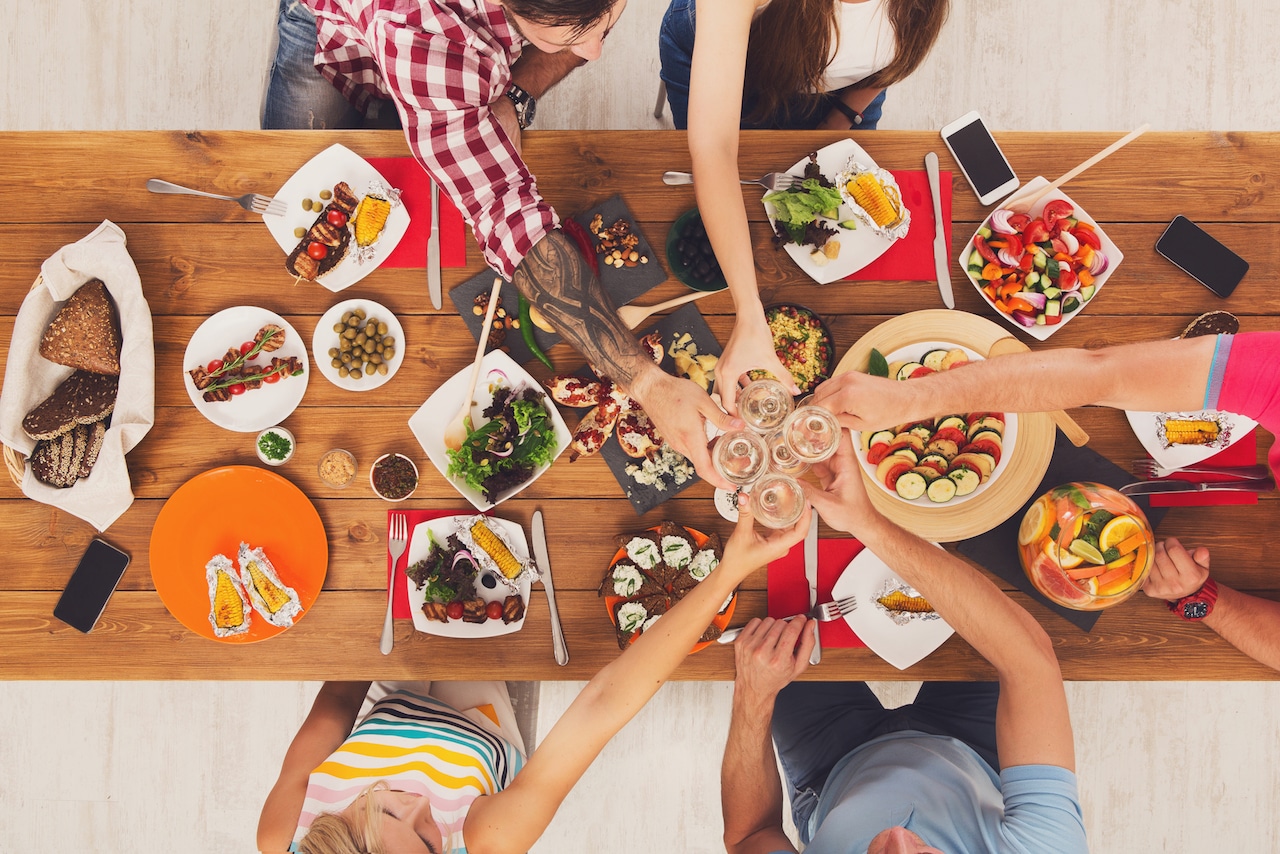
You don't eat food. You eat identity. You don't have a diet — you have a belief system disguised as a menu. Carnivore. Vegan. Keto. Paleo. These aren't eating patterns. They're tribes. And once food becomes identity, you stop asking "is this good for me?" and start asking "is this who I am?" That's where things go sideways.
Here's the lie no one wants to touch: most people aren't eating for health. They're eating for convenience, for stimulation, for emotional regulation, for social alignment. Health is the marketing layer painted on top. If it were really about health, your grocery cart would look boring. Instead, it looks like a dopamine strategy — a tour of every cue your week has trained you to chase.
And here's the uncomfortable part. You don't crave what your body needs. You crave what you've trained it to expect. Sugar isn't the problem. Repetition is. The body adapts fast — faster than your identity does. So now you're defending habits your biology already moved past, dressing up reflex as preference and calling it a personality.
What do the longest-living people on earth actually do? They don't debate protein sources on podcasts. They don't argue in comment sections. They don't label themselves. They just eat mostly plants. Not perfectly. Not obsessively. Not ideologically. Just, quietly, consistently. Beans. Greens. Grains. Nuts. Simple enough that it's almost offensive.
Why does that trigger people? Because it removes complexity, and complexity is where people hide. If the answer is "eat mostly plants," then what happens to your supplements, your protocols, your stack of optimization? What happens to the identity built around them? You don't just lose a diet. You lose a story you've been telling about yourself.
Let's make it more direct. You don't need a new diet. You need fewer decisions. Fewer rules. Fewer justifications. You're not confused — you're overcomplicating something that works best when it's boring. The plate isn't a battleground. It's a default, repeated until it stops asking for your attention.
The real "Plant Slant" isn't even about plants. It's about lowering the noise between your body and your choices. Plants just happen to make that easier, because they don't fight you. They don't hijack you. They don't require discipline to stop. They feed you and then get out of the way, which is more than most things on a modern menu can claim.
So here's a simple rule, and you can carry it for the rest of your life: if your food needs defending, it's probably not helping you. Real food doesn't need a manifesto. It doesn't need a hashtag, a tribe, or a comment-section apologist. It just needs to land on the plate often enough to become unremarkable, and then to become you.
Eat like someone who doesn't need to prove anything. Eat like someone who already knows. Beans and greens at noon. A walk after dinner. A glass of water on the table. And if that feels too simple — good. That means you're finally close. The ninety-five percent will do the heavy lifting. Let the five percent be joy, not sabotage. Then go outside.
The Plant Slant Stack · From the Marketplace